Sustainability at Ostara
At Ostara, sustainability is a practice, not a perfect badge. We’re a small independent shop, and we curate with care: choosing products that make better choices around materials, production, and impact, and being honest about what we know (and what we’re still learning).
Our aim is simple: help you buy fewer, better things — pieces you’ll actually wear, use, and love for a long time.
What guides our curation
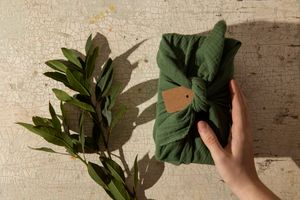
What guides our curation
Materials first
We prioritise garments made with more responsible materials and recognised standards, where verified.
Responsible production
We favour brands with clear supplier requirements, covering environmental impact, safer chemicals, and labour rights.
Wearability matters
Comfort, fit, and versatility are key. Pieces are chosen to be worn, loved, and styled with ease.
Reducing waste
We support brands working to minimise waste through better design and more responsible packaging.
Preferred materials at Ostara
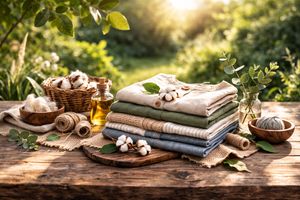
Preferred materials at Ostara
Organic cotton
Grown with fewer chemicals, organic cotton is breathable, comfortable, and gentler on ecosystems and people.
Certified animal fibres (wool, mohair, down, cashmere)
When used, we look for recognised standards that support animal welfare and traceability.
Plant-based fibres made from wood pulp (viscose, lyocell, modal)
A lower-impact alternative to synthetics when sourced responsibly and produced to higher standards.
Recycled materials
Recycled fibres help reduce waste and the use of virgin resources, commonly used in outerwear, knits, and accessories.
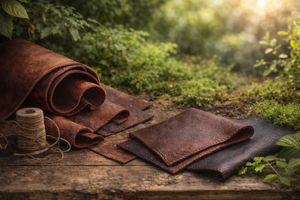
Leather ethically sourced and thoughtfully chosen
Leather sourced from tanneries with top-tier environmental standards
Such as Leather Working Group (LWG) Gold-rated tanneries (a recognised benchmark for improved environmental performance in leather production).
Clear commitments to human rights at work
Including a strong stance against child labour, exploitation, and unsafe conditions, alongside fair wages and skilled craftsmanship.
Independent accountability
Such as being Sedex-approved (supporting transparency around labour and ethical standards).
Climate responsibility in manufacturing
for example facilities that are Carbon Zero certified as part of their operations.
Certifications & standards you might see
GOTS (Global Organic Textile Standard)
A leading standard for organic fibres that also covers processing and social criteria.
OEKO-TEX® Standard 100
Indicates the textile has been tested for harmful substances.
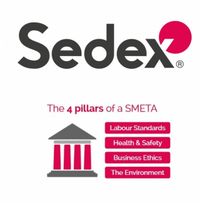
SMETA (Sedex Members Ethical Trade Audit)
A widely used audit framework that helps assess working conditions, environmental performance, and business ethics.
FSC (Forest Stewardship Council)
Used mainly for paper/card packaging and labels; supports responsibly managed forests.
RWS / RMS / RDS (Responsible Wool / Mohair / Down Standards)
Traceability plus animal welfare requirements (and, for wool/mohair, land management criteria).
Leather Working Group (LWG)
An industry initiative focused on improving environmental practices in leather tanneries and the wider supply chain.
How to make your purchase go further
How to make your purchase go further
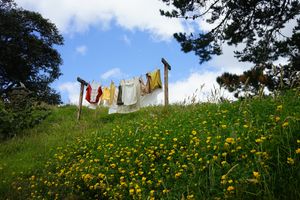
Wash less often when you can (spot-clean, air out, steam).
Choose cooler washes and gentle cycles.
Air-dry more, tumble-dry less.
Repair and re-wear (buttons, hems, little fixes that add years).
Our promise: transparency over greenwashing
Material composition
(as stated
on labels)

Certifications and
standards
(when provided)
The why
behind our
curation choices